Airbnb host tips, ranked by what they actually change
Most hosting advice is a list of sixteen things. Airbnb measures four numbers, and only some of that advice moves any of them. Here is which.
By Larren Lee
In one sentence
Airbnb measures four things about you: your overall rating, how fast you answer, how often you cancel, and how much you host. Most hosting advice you will read does not move any of them. This is an attempt to sort the advice by which number it actually touches, using the thresholds Airbnb publishes rather than the ones people repeat.
The four numbers Airbnb actually measures
Start here, because it makes the rest of the advice sortable.
The Superhost requirements are published and specific. To qualify you need to have "maintained a 4.8 or higher overall rating", "respond to 90% of new messages, and accept or decline new reservation requests, within 24 hours", kept "a less than 1% cancellation rate", and "hosted at least 10 reservations, or 3 reservations that total at least 100 nights".
Four numbers. Not vibes.
Two details about how they are counted matter more than the numbers themselves.
The assessment runs quarterly, on 1 January, 1 April, 1 July and 1 October, and each one looks at the preceding twelve months. So a bad month does not cost you the badge immediately, and a good month does not earn it back immediately. It is a slow-moving average, which changes what is worth panicking about.
And the rating threshold is 4.8. On a five-point scale where most guests give five, that means roughly one four-star review in five can still be survivable, and a three-star one hurts for a long time. The gap between "good" and "Superhost" is smaller than it looks, and it is made of individual reviews rather than general excellence.
What "responsive" means, exactly
Every list of hosting advice says "be responsive". Almost none of them say what that means, which makes it useless as advice.
Airbnb's page on response rate defines it: "your response rate is the percentage of new inquiries and reservation requests you responded to within 24 hours in the past 30 days."
Three things follow from that sentence, and they change how you should behave.
The window is 24 hours, not minutes. The pressure most hosts put on themselves — answering within five minutes, checking the phone at midnight, is not what the metric asks for. It measures whether you answered within a day.
The counting period is 30 days, not 12 months. Unlike the Superhost rating, this one recovers fast. A bad week is out of the calculation a month later.
And a non-answer is worse than a bad answer. The page is explicit: "letting a reservation request expire without responding counts as a non-response and will lower your response rate." A response includes "accepting, pre-approving, declining, sending a message, or sending a special offer" — so declining counts. Declining is a response. Ignoring is not.
That last point is the one I would put on a sticky note. Hosts routinely let awkward requests expire rather than say no, and it is the single easiest way to damage a number that is otherwise easy to keep clean.
The advice that moves a number
Here is the sorted version. For each piece of common advice, which of the four numbers it touches and what it actually takes.
| Advice | Number it moves | What it really takes |
|---|---|---|
| Answer within 24 hours, even to say no | Response rate | A daily habit, not constant availability. Declining counts as answering. |
| Never cancel a confirmed booking | Cancellation rate | The 1% threshold is brutal at low volume: with 10 bookings, one cancellation is 10%. Block dates rather than accept and cancel. |
| Write the arrival instructions before the first guest | Rating | Most bad reviews mentioning "communication" are about arrival, not about you being unfriendly. |
| Photograph what is hard to describe | Rating | The door, the fuse box, the coffee machine. A photo removes a message. |
| Be honest in the listing about the flaws | Rating | Expectation set correctly is a five-star stay; the same flat oversold is a three. |
| Set the cleaning standard once, in writing | Rating | Cleanliness is the sub-rating that drags the overall down most reliably. |
| Keep the calendar synced | Cancellation rate | Double bookings are the most common reason a host cancels, and it is entirely preventable. |
| Get to 10 stays | Eligibility | Not a quality problem. Short minimum stays early on get you there faster. |
Notice what is missing from that table: nearly everything about décor, welcome baskets, branded soap, and personal notes. Those are not useless (they show up in reviews as warmth) but they move the rating indirectly and slowly, while the items above move it directly and fast.
The advice that changes nothing measurable
Worth saying out loud, because it absorbs a lot of new-host energy.
Instant Book, or not. People argue about this constantly. It changes how bookings arrive, not how good the stay is. Turning it off does not lower your rating and turning it on does not raise it.
A welcome basket. It shows up in reviews as a nice touch. It does not compensate for a confusing check-in, and a guest who could not get in the door will not mention the wine.
Answering in under five minutes. Feels responsible. The metric asks for 24 hours. The cost of the habit, never being off, is real, and the benefit is not measured.
Pricing gymnastics in month one. Before you have reviews, price is doing most of the work of getting the first bookings. Optimising a dynamic pricing tool before you have ten stays is optimising the wrong variable.
A long list of house rules. A rule nobody reads is a rule that only exists for arguing afterwards. I wrote separately about which rules Airbnb already covers for you, and it is more than most hosts think.
The first ten minutes are most of the rating
If you only fix one thing, fix arrival.
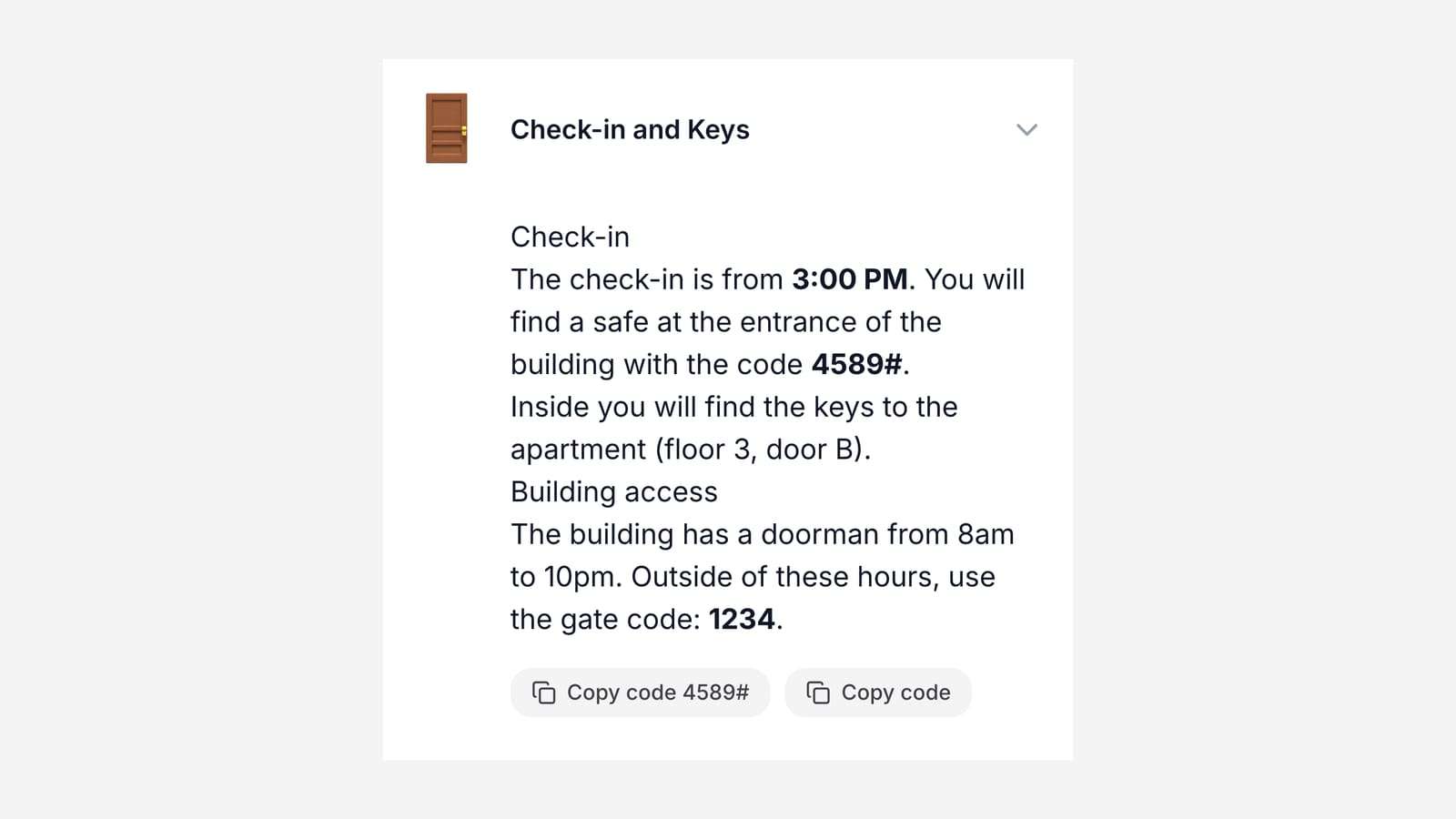
A guest arrives tired, often at night, often after a flight, at a door they have never seen. In the first ten minutes they need three things: to get inside, to connect to the internet, and to know whether they can put their shoes on the sofa. Everything that goes wrong in those ten minutes gets remembered when they write the review a week later, and everything that goes right becomes invisible.
That is why the arrival instructions are worth more attention than the rest of the guide combined, and why they should be readable on a phone, in the dark, one-handed, with no signal until the WiFi works.
Concretely, the things that stop the 11pm message:
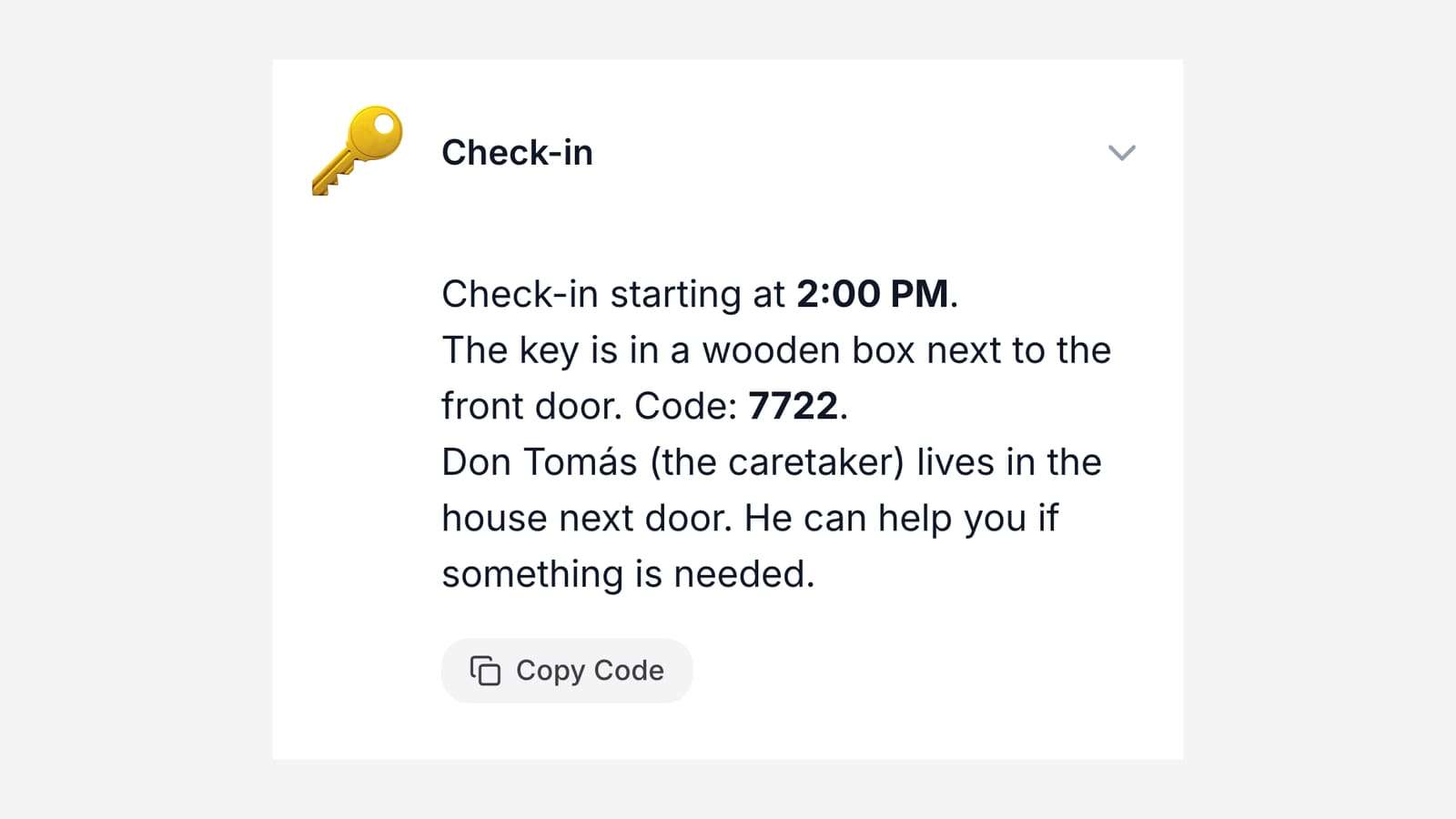
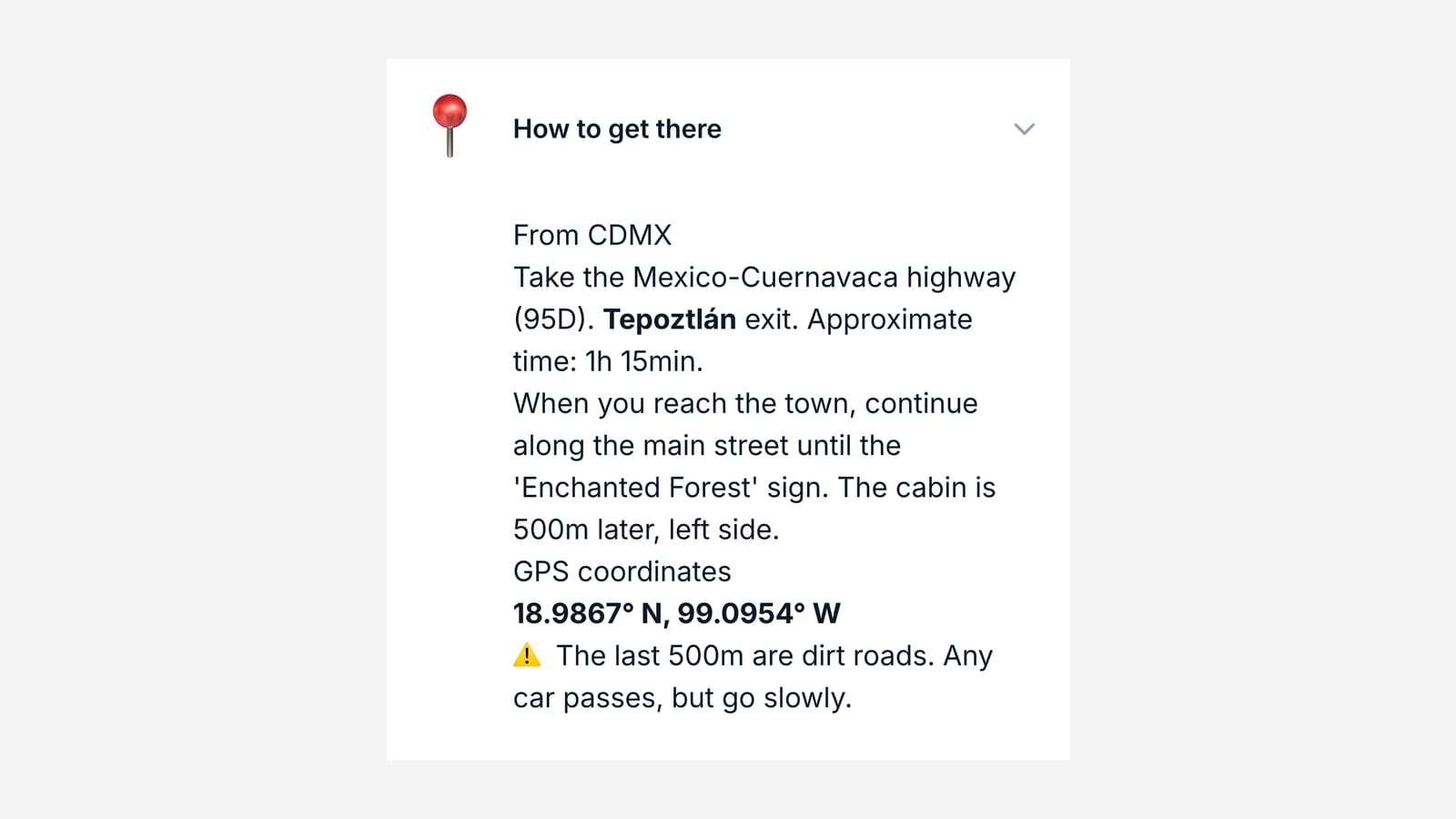
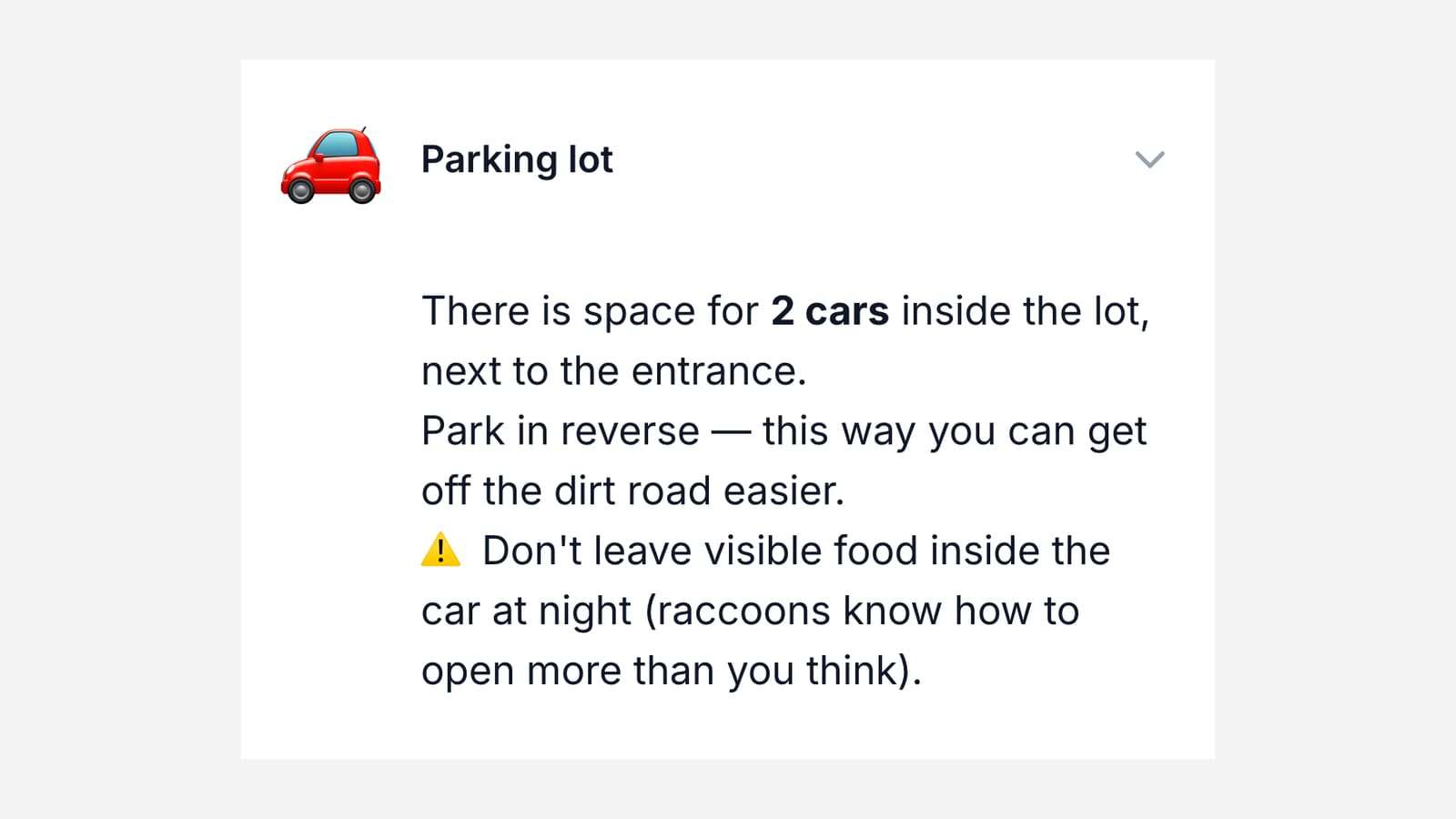
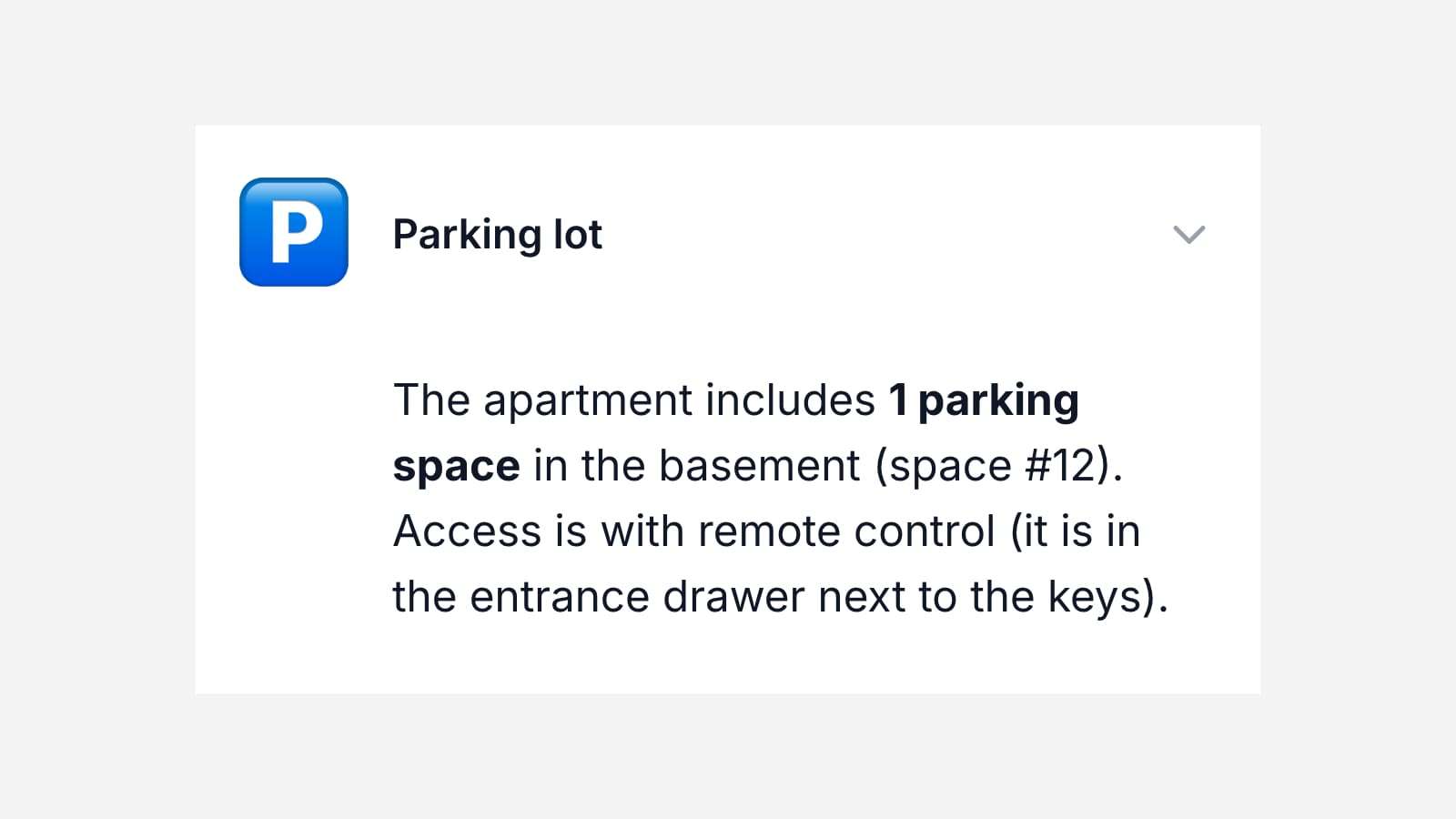
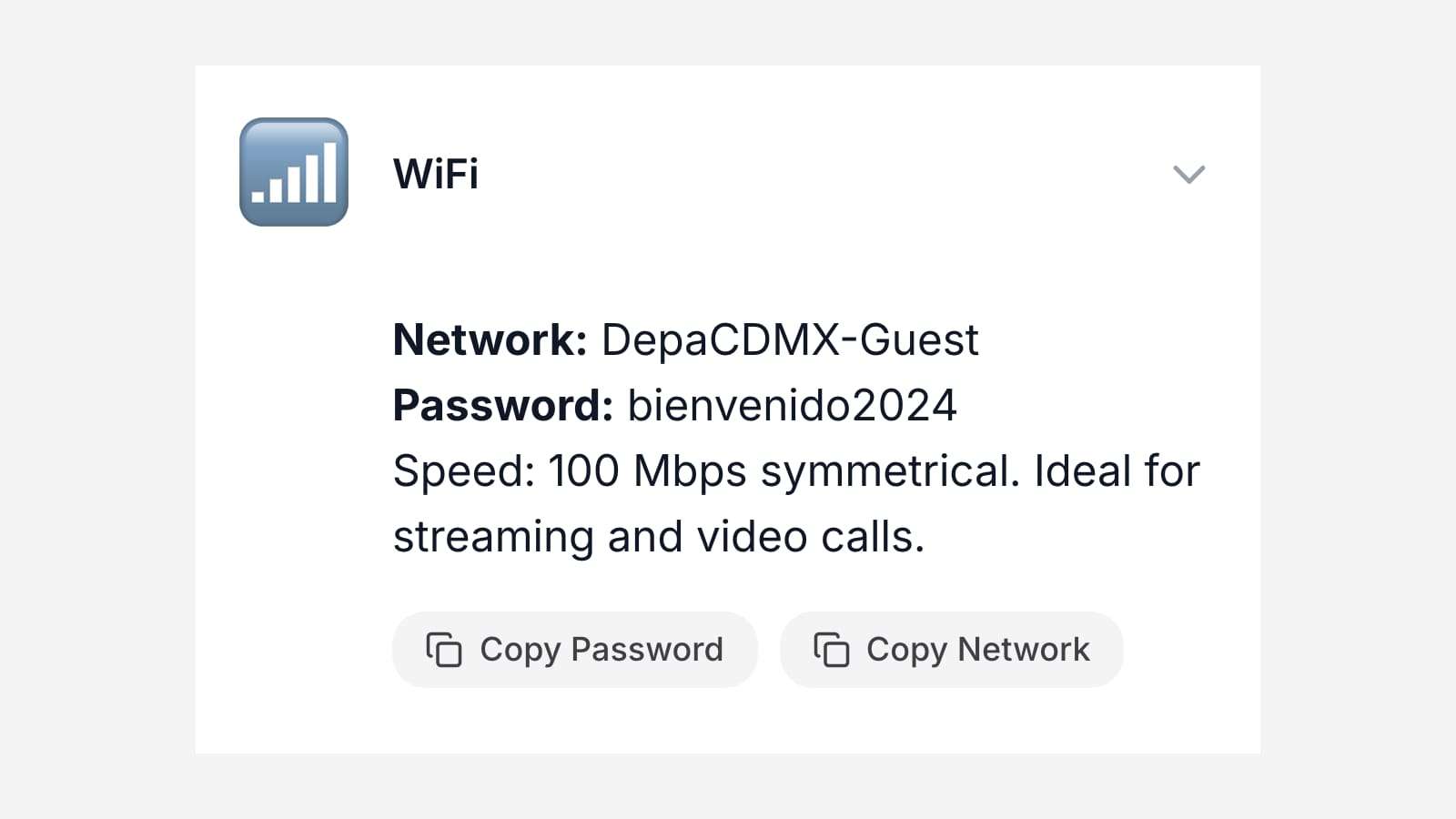
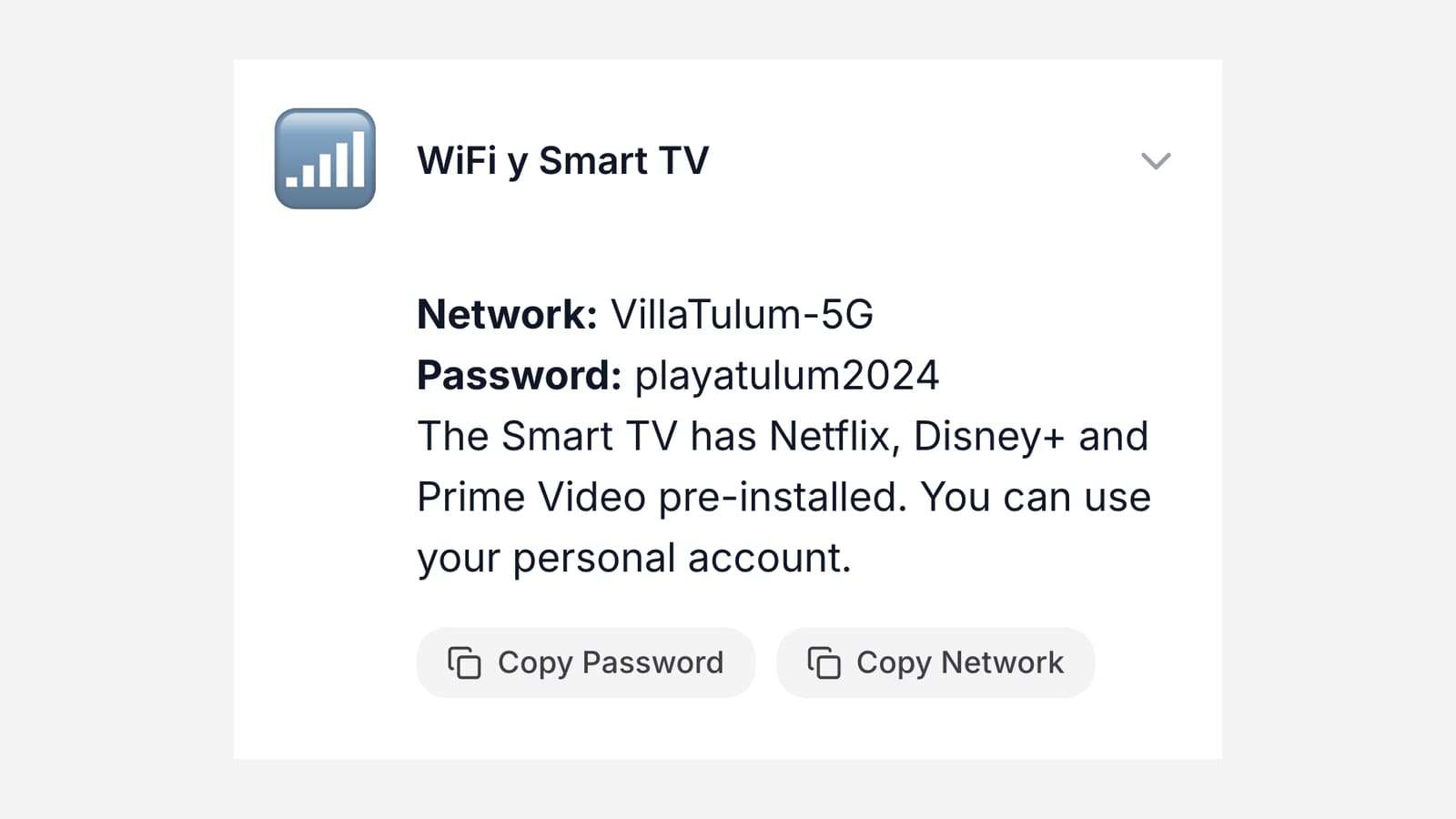
The exact address with a map link, not a description of the street. The door code and where the key is, with a photo of the actual door. What to do if the code fails, before it fails. The WiFi network and password as text that can be copied, never as a photo of a handwritten card. And the parking bay with its number.
If you want the longer version, here is what belongs in each section and how to automate sending it so the guest has it before they land rather than after they arrive.
The safety lines nobody writes
This one is not about ratings, which is exactly why it gets skipped.
The US Fire Administration is blunt about the stakes: "When you hear a smoke alarm, you may have less than 2 minutes to get everyone outside and safe." Two minutes is not enough time to work out where the back door leads, in the dark, in a house you arrived at yesterday.
The same page gives the maintenance rule that belongs to you rather than to the guest: "Test smoke alarms every month and replace 9-volt smoke alarm batteries at least once every year." If someone else manages the property, that monthly test is theirs, and it only happens if it is written down.
Four lines cover it. Where the smoke alarm is. Where the extinguisher is, if there is one. Where the stopcock and the fuse box are, because a burst pipe at two in the morning is more likely than a fire. And the local emergency number written out, because a guest from another country does not know it and will not guess it.
The review window, and what it changes about the last day
This is the part of hosting most people learn by accident.
According to Airbnb's page on reviews, "both parties will have 14 days after checkout to submit their review", and "reviews are only posted after both parties have submitted their reviews, or once the 14-day period has ended, whichever comes first."
Two practical consequences.
The first is that your review of the guest does not appear until they have written theirs or the fortnight runs out. So writing yours early does not influence what they say, because they cannot see it. That removes the temptation to wait and see, which is the wrong habit anyway.
The second is quieter and more useful: the last day of the stay is disproportionately close to the moment they write. A guest who left confused about the bins, or who could not work the lock on the way out, writes the review with that fresh. Checkout instructions are the cheapest thing in the whole guide and the last thing anyone edits.
The same page notes something worth knowing about the numbers: "individual subcategory star ratings and notes to the host are available only to the host and Airbnb". So the sub-ratings are yours to read and nobody else's, which makes them the honest feedback channel. Most hosts never open them and stare at the average instead.
What the forums say that the vendor blogs do not
If you search for hosting advice, you get two kinds of source, and it is worth knowing which you are reading.
The vendor blogs are thorough and slightly abstract. They are also, reasonably, selling software, so the answer to several questions ends up being a product category.
The community threads are messier and more specific, and the most useful ones are about failure. What broke, what it cost, what the guest actually wrote afterwards. That is why the autocomplete for this topic is full of people appending "reddit" to their searches: they are asking for the version without a product at the end.
Three things I keep seeing in those threads that rarely make the polished lists.
The cleaner is the whole operation. Not a line item. Nearly every story about a bad review at scale traces back to a turnover that went wrong, and nearly every story about a smooth year traces back to one reliable person who knows the property. Pay accordingly, and write the standard down so it is transferable.
Supplies run out on the worst possible day. Toilet paper, bin bags, coffee, batteries for the lock. Keep a surplus in the property rather than a perfect inventory, because the failure mode is a guest messaging at 9pm about something that costs two euros.
The second property is not twice the first. It is the point where anything living in your head has to be written down, because you can no longer be in two places. Hosts who wrote nothing down for property one spend the first month of property two writing it all at once, badly.
What it actually costs, roughly
Nobody puts this in a tips list, and it changes which advice is worth following.
The platform takes its cut. Cleaning is either your time or someone's fee, every single turnover. Consumables are small and constant. And the invisible one: the hours you spend answering the same five questions, which is the cost that documentation removes and the one people forget to count because it does not appear on a receipt.
That last item is the reason the arrival instructions keep coming up in this article. They are not a nicety. They are the only lever that reduces the recurring hour cost rather than moving it around.
The check that comes before all of these
Every piece of advice above assumes you are allowed to be hosting, and that assumption fails more often than the lists admit.
Short-term letting is regulated locally, and the rules are genuinely different one city to the next: registration numbers, night caps, tourist taxes, licences that take weeks. The autocomplete for this topic is full of country-specific searches for exactly this reason. What applies in one place is irrelevant two hundred kilometres away, so general advice is worth very little here.
Two layers, and people usually only check one.
The public layer is the city or region: whether you need to register, whether there is a limit on nights per year, whether you must display a licence number on the listing. This is the one that carries fines.
The private layer is the building: the residents' association, the condominium rules, the lease if you rent. Plenty of buildings restrict or forbid short lets outright, and this one is invisible from outside. It does not fine you, it just ends the operation, usually after you already have bookings on the calendar.
Both are worth an afternoon before the first photo, not after the first complaint. And the building rules have a second use once you are running: they are the source of half the house rules a guest cannot possibly guess, like when the pool closes or which lift takes suitcases.
None of this makes a good tip because it is not a tip. It is the precondition.
What I would do in the first 90 days
If I were starting again, in this order.
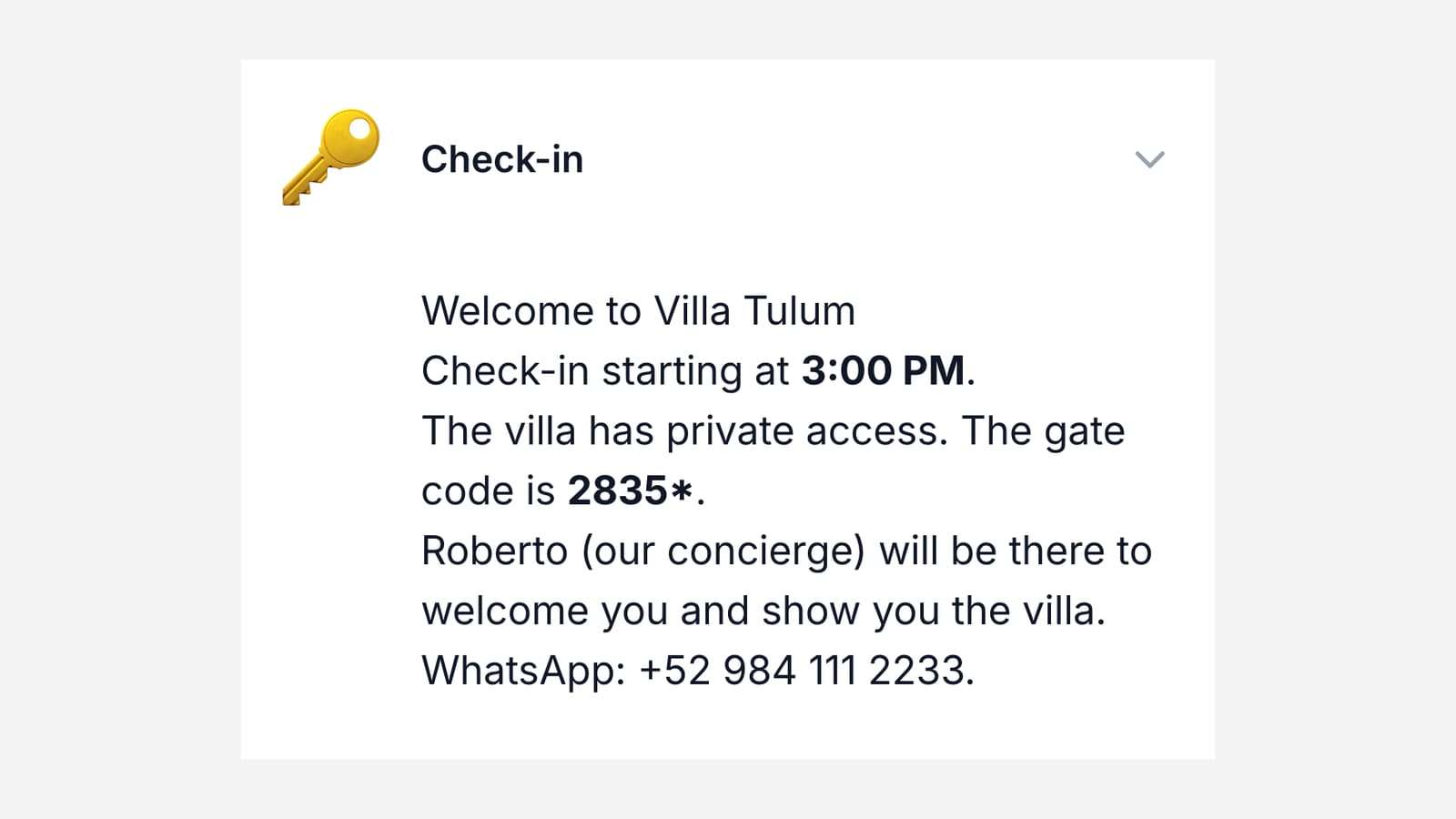
Week one: write the arrival. Before photos, before pricing tools, before anything. Address, code, what if the code fails, WiFi, parking. Send it the day before, not on the day.
Week two: be honest in the listing. Every flaw you hide is a review you will get. The stairs, the noise from the street, the shower that takes a minute to heat. Guests forgive what they expected.
Week three: set the cleaning standard in writing. Not "clean it well" but a list, in order, with the three things guests notice first. If you hire someone, they cannot read your mind, and cleanliness is the sub-rating that pulls the overall down hardest.
Then, for the rest of the 90 days: answer everything within 24 hours, including the requests you want to decline. Decline them. Do not let them expire.
And do not cancel. At low volume the 1% threshold is unforgiving: with ten bookings, a single cancellation puts you at 10%, and the twelve-month window means you carry it for a year. If a date stops working, block it before someone books it.
That is not sixteen things. It is five, and they are the ones attached to numbers Airbnb publishes.
How to know it is working
Not by the badge, which moves quarterly and lags twelve months.
Watch the response rate instead, because it recalculates over 30 days and tells you something you can act on this week. A number that only moves once a quarter cannot teach you anything about what you did on Tuesday. And read the sub-ratings rather than the average: an overall 4.8 made of straight fives with one three tells a completely different story from a 4.8 made of consistent fours, and only one of them has an obvious fix.
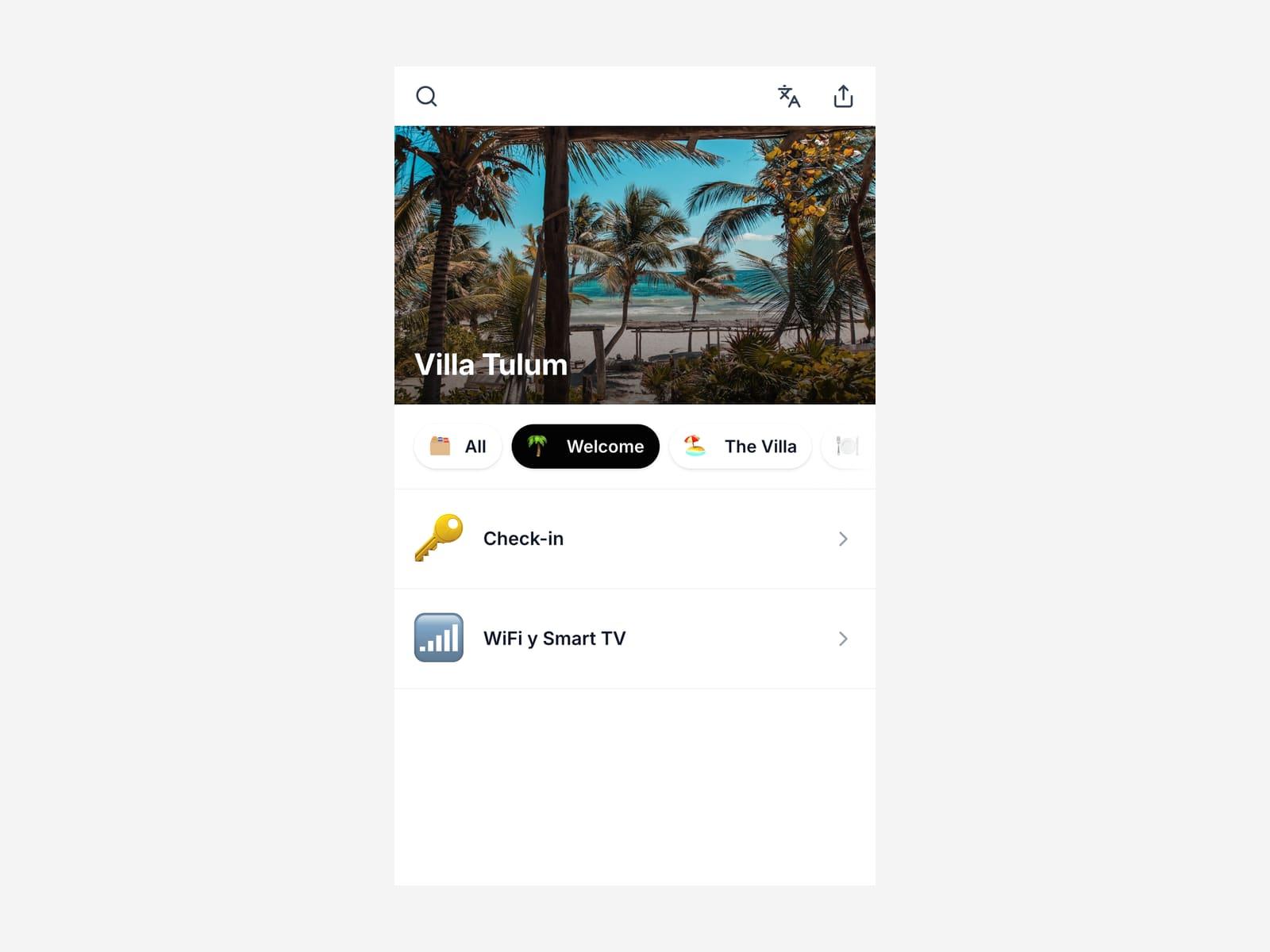
If you are building the guide that most of this depends on, here is how to structure it so a guest can search it instead of reading it. And there is a live example here if you want to see how it reads on a phone first. It is a demo property, so the codes are not real.
Sources
- Airbnb Help Centre, How to become a Superhost: the four published thresholds and the quarterly assessment window.
- Airbnb Help Centre, Response rate and response time: the 24-hour window, the 30-day period, and what counts as a response.
- US Fire Administration, Smoke Alarms: monthly testing, annual battery replacement, and the two-minute figure.